Six Special Forces principles for deciding and leading
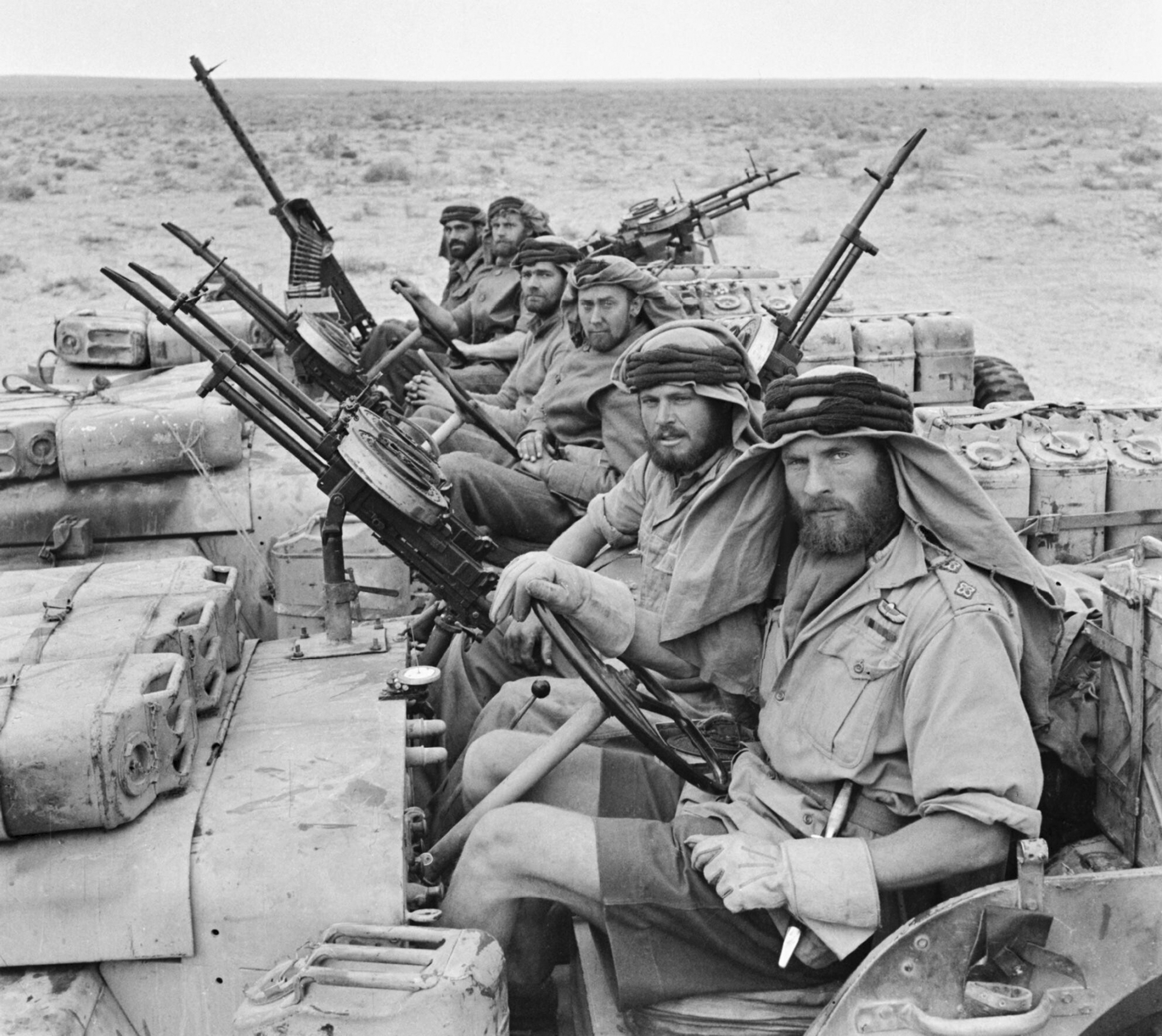
The Special Forces are not only units of action: they are organisations that decide fast, act well and last the distance, where others freeze. Behind their successes lies a handful of universal principles that any business can adopt. Here they are, transposed to the world of business.
None of these six principles is military by nature: they describe how an organisation thinks, decides and acts when the environment is uncertain. That is precisely the situation of every business today.
1. The environment is neutral
The market, the competition, the economic climate are neither allies nor enemies: they are neutral. What sets the successful apart is not lucky circumstances, but preparation and mindset. A trained team sees opportunities where an unprepared team sees threats. This is the psychological foundation of any lasting performance, and the first reflex we instil.
2. Adaptability beats efficiency
Optimising an organisation for predictability makes it fragile in the face of the unexpected. In complexity, a network of aligned, transparent and autonomous teams always outperforms a rigid hierarchy. Everyone understands the overall intent, not just their own box, and the decision moves down to the level that holds the information. This is where good tools act as a multiplier: they spread shared awareness and accelerate the flow of useful information.
3. Responsibility is total and shared
The principle ofextreme ownership is simple: the leader owns everything, with no excuses or external blame. There are no bad teams, only leaders who have not yet created the conditions for success. But this responsibility is shared: every member owns their mission. An organisation where everyone feels accountable for the result no longer needs to be controlled; it pulls itself upward.
4. You lead through intent, not through orders
Giving an order creates an executor; giving an intent creates a leader. The leader-leader model means pushing decision authority towards those who hold the skill and the information, after building two foundations: clarity of intent and the competence of teams. This is what allows an organisation to keep deciding well even when the leader is not there, and not to collapse under pressure.
Embed these principles in your teams
The ARXIBALD method transposes these principles into concrete training programmes and seminars.
Discover the training →5. Leadership is a balance, never an absolute
Every leadership quality pushed to the extreme becomes a flaw. Being responsible for everything without wanting to do everything yourself. Holding course without blinding yourself. Being close to your teams without giving up on high standards. To lead is to balance opposing forces and decide by the facts, not by status or the opinion of the most senior person. This judgement is not taught in theory: it is forged through simulation.
6. The leader serves last: trust above all
In elite units, the leader serves last. This gesture sums up everything: the mission of the one who leads is to create a circle of safety where everyone feels protected, and therefore able to take risks, tell the truth and surpass themselves. Trust is not a nice-to-have: it is the condition for speed, initiative and collective resilience. A team that knows it is supported faces uncertainty without falling apart.
Deciding and leading in uncertainty
These six principles are nothing new, but they take on a new reach today. What can never be delegated remains the heart of a leader's craft: intent, arbitration and trust. Modern tools, including artificial intelligence, can support analysis and free up time; they take nothing away from human responsibility. This is the whole point of the ARXIBALD method : transposing the expertise of the Special Forces to build high-performing, human-centred businesses.