Leaders Eat Last: why the best leaders eat last
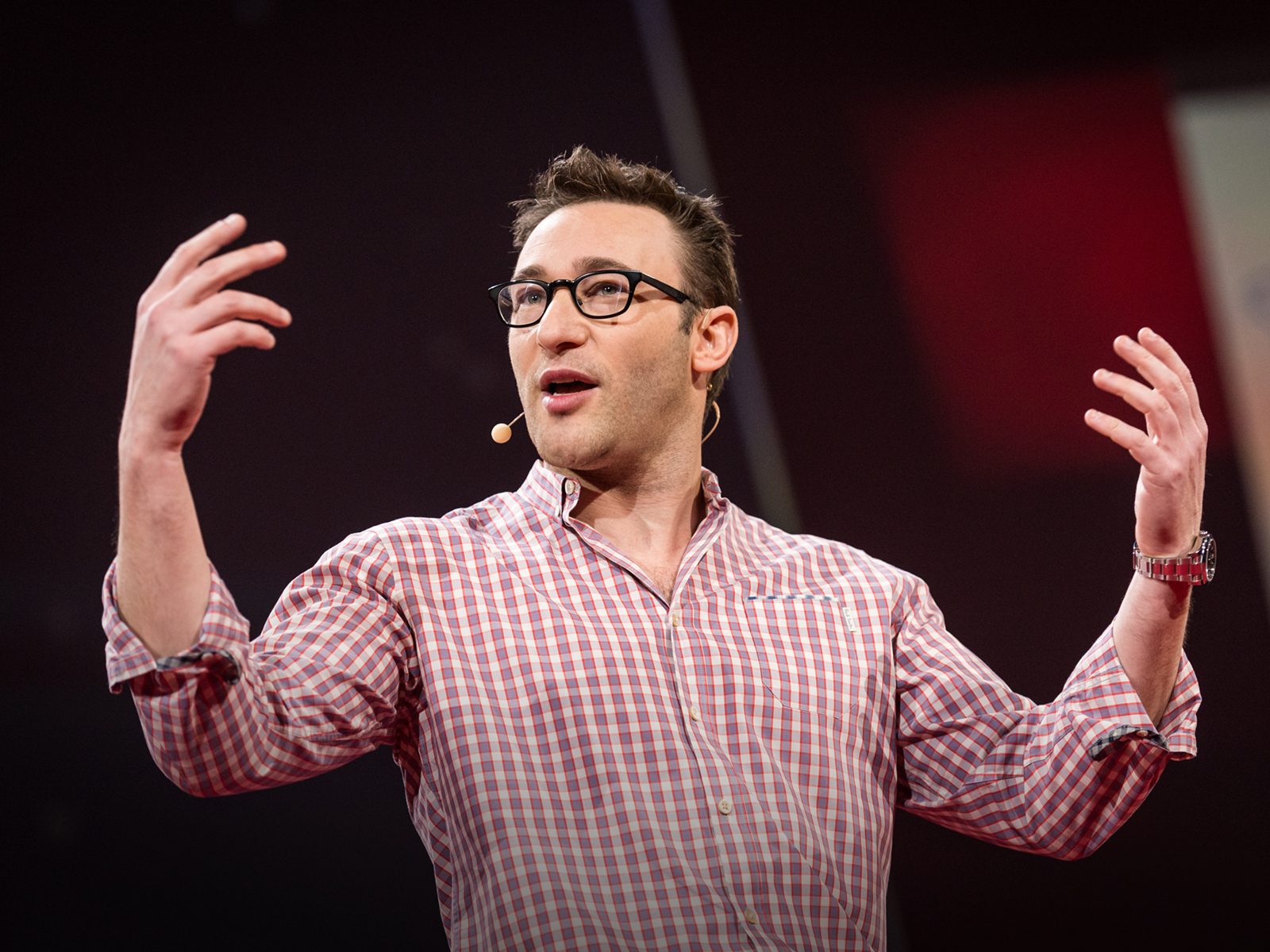
In some military units there is an unwritten rule: at the mess, the youngest serve themselves first, and the senior ranks last. It is not politeness, it is a definition of command. Simon Sinek made it the title of a book that became a reference, Leaders Eat Last. His thesis comes down to a single image: the best leaders serve themselves last, and that simple gesture explains why some teams surpass themselves while others fall apart.
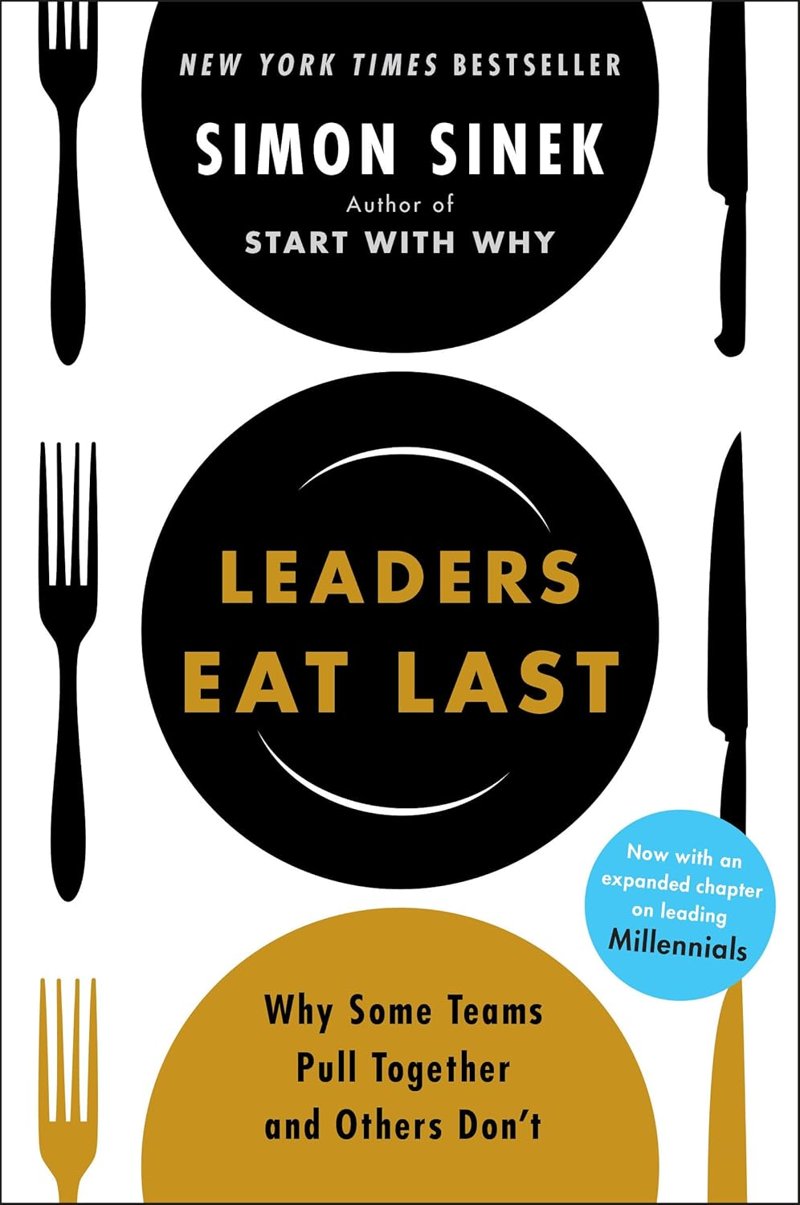
Where the title comes from
Simon Sinek says he discovered this custom from a general. In some military units, the leader eats after their soldiers, sleeps after them, takes cover after them. The message is clear: rank does not grant privileges, it imposes duties. The price of status is to defend the group. The leader does not serve themselves first because they hold power; they serve themselves last because they hold responsibility.
The Circle of Safety
This is the heart of the book. A team lives under constant threats: outside, competition, the market, uncertainty; inside, the fear of being humiliated, sidelined, sacrificed. The leader's role is to draw a "Circle of Safety". Inside it, people protect one another; outside it, they face danger together. When people feel safe among their own, they stop distrusting their colleagues and turn all their energy toward the real challenges. When that circle cracks, everyone protects themselves from their neighbour first, and the organisation grinds to a halt.
The biology of trust
Sinek goes further: trust is not a soft value, it is chemistry. Our brain produces molecules that reward us. Dopamine drives us to reach our goals, but it is individual and addictive. Serotonin and oxytocin, by contrast, are social: they arise from shared pride, generosity and time spent together, and they create bonds and trust. On the other side, cortisol, the stress hormone, is triggered by threat, cuts off empathy and blocks cooperation. Management by fear floods teams with cortisol; leadership that protects and serves releases oxytocin. Cohesion is therefore not a nice-to-have: it is a physiological condition of performance.
What the special forces have always known
Elite units live this idea every day. People give their lives for their team there not out of abstract heroism, but because each one knows, absolutely, that the others would do the same for them. The leader shares the risk, the hardship, the exhaustion; they eat last. It is this total trust that makes boldness and composure under fire possible. Sinek says nothing else to the business world: it is not strategy that binds a team together, it is the certainty of being protected.
Building your teams' Circle of Safety
This is exactly what ARXIBALD passes on. We transpose the special forces' trust-based leadership to the leadership, decision-making and resilience of your executives, in tailor-made training and seminars delivered by professionals from the special forces.
Build your programme →Eating last, in business
In a company, "eating last" does not mean sacrificing yourself or accepting everything. It means taking the risk in your team's place, covering them under pressure, letting others take the credit and owning the failures yourself, investing your time when things get hard. This is not weakness: it is the source of loyalty and commitment. Teams do not give themselves to leaders who command them, but to leaders who protect them. The true power of a leader is measured by the number of people willing to follow them because they know that leader will serve themselves last.